
How BCBAs and RBTs Improve Learning in the Classroom and at Home
When most people picture ABA therapy, they imagine a one-on-one session in a clinical setting. But some of the most meaningful ABA work happens outside the clinic — in classrooms, at kitchen tables, and on playgrounds. BCBAs (Board Certified Behavior Analysts) and RBTs (Registered Behavior Technicians) bring evidence-based behavioral strategies into the real-world environments where children actually live and learn.
Understanding the Roles
BCBAs hold master’s-level credentials and are certified through the Behavior Analyst Certification Board (BACB). They conduct assessments, design treatment plans, supervise RBTs, and consult with families and schools.
RBTs work directly with children under BCBA supervision, implementing the treatment plan during one-on-one sessions. They collect data, run programs, and build strong relationships with the children they serve.
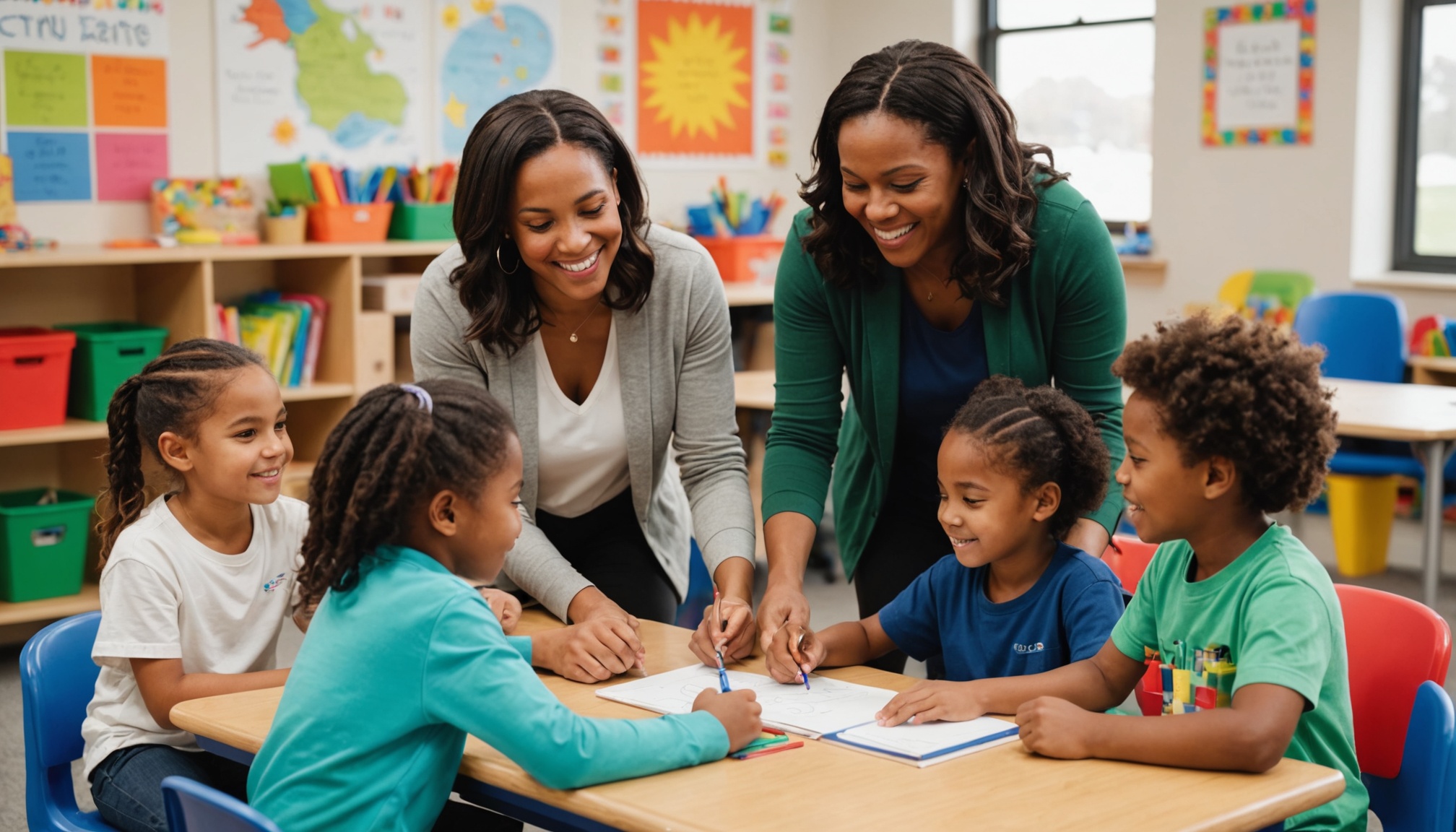
In the Classroom
A BCBA working in a school setting provides far more than direct therapy. They:
- Observe the classroom environment to identify triggers for challenging behavior
- Train teachers on reinforcement strategies, prompting hierarchies, and de-escalation techniques
- Develop Behavior Intervention Plans (BIPs) that teachers can implement consistently
- Consult on IEP goals to ensure behavioral and academic targets are well-aligned
- Support transitions between grades, classrooms, or school settings
This collaborative approach means the strategies that work in therapy sessions are reinforced throughout the school day — creating consistency that accelerates learning.
At Home
Parent training is one of the most powerful components of ABA. When BCBAs teach parents to use behavioral strategies at home, the impact multiplies. Parents learn to:
- Use reinforcement naturally throughout the day (not just during “therapy time”)
- Respond to challenging behaviors calmly and consistently
- Teach daily living skills like dressing, meal routines, and hygiene
- Prompt and fade assistance so their child builds true independence
Children who receive ABA in the clinic and have parents who implement strategies at home consistently make faster progress and maintain those gains longer.
The Ripple Effect
The goal of ABA is never to create a child who only behaves well in a therapy room. It’s to build skills that generalize — that transfer to the real world, across settings, people, and situations. BCBAs and RBTs who work across clinic, classroom, and home environments are uniquely positioned to make that generalization happen.
At Upward Focus ABA, we offer school consultation and parent training as core parts of our service model — because we believe the best outcomes happen when everyone in a child’s life is working from the same playbook. Contact us to learn more.
Leave a Comment
(0 Comments)